
Some reflections by Aisha Maniar on International Day of Peace
In 1970, Canadian philosopher Marshall McLuhan prophesised that, “World War III is a guerrilla information war with no division between military and civilian participation.”
This is highly pertinent to our current digital and social media age, in which the rise of populist and, sometimes, fascist governments and the growing militarisation of everyday life are supported by and owe their existence to such technologies. While digital technologies bring the logic and tools of conflict, particularly “smart” surveillance, into the palms of our hands and our homes, many are unaware of the often military origins of ubiquitous civilian technologies, such as the internet.
An obvious example is online grooming, enticing individuals towards extremist violent religious and right-wing ideologies. Military tactics provide inspiration, digital technologies provide a location, and state intervention provides that not all such activity is treated in the same way. Extremist religious ideologies close to state authorities, such as in India, Sri Lanka and Myanmar, lead to few, if any, sanctions for those promoting murder and communal strife, even after lives and homes have been lost as a result. Right-wing extremism, on the rise across Europe and North America, infiltrating the police and military, does not prompt the same response from the authorities as other extremist ideologies further removed from state and official authorities.
More than a platform for violence and hate, social media giant Meta (formerly Facebook) currently faces a £150 billion+ lawsuit accusing it of complicity in genocide against the Rohingya in Myanmar. Along with Twitter, it has also been accused of silencing voices from Kashmir and elsewhere. Meta has been found to have assisted the Hindu extremist ruling BJP party in India to win elections.
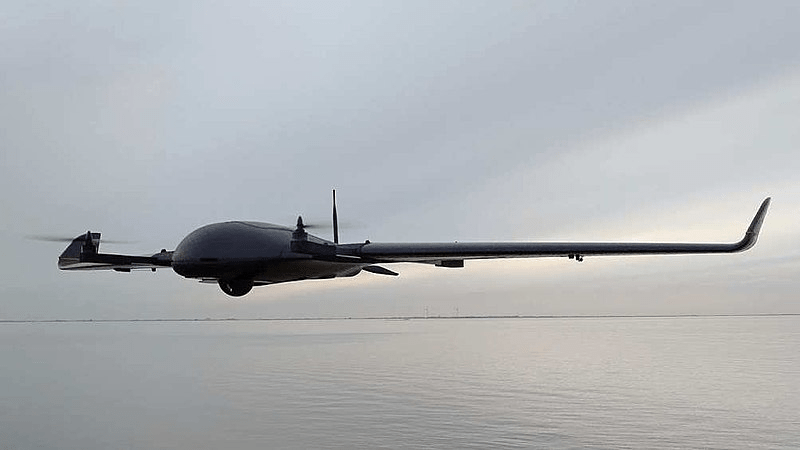
Modern technologies are not all about communication. While pizza delivery is given as one civilian use of drones, the reality is surveillance, control and the militarisation of marginalised urban spaces, such as the favelas of Brazil. During Covid-19 lockdowns in Bulgaria and Slovakia in 2020, drones were used to monitor movement within Roma communities.
More insidious is the financial and logistical support by right-wing tech giants such as Palantir’s Peter Thiel for right-wing political candidates and Donald Trump. In addition, the CIA-backed defence data contractor, involved in security operations in the wars in Iraq and Afghanistan, is seeking to buy the NHS, gaining access to the personal and medical data of UK residents.
The blurred line between digital spaces and technologies, the military and the state throw the logic and loci of violence into disarray. The common narrative is that war and conflict happen elsewhere. Narrow media focus means that increasing police violence against protesters in Europe and North America is made not to appear as urgent or alarming as similar repression elsewhere.
State violence in the form of the criminalisation of refugee and migrant communities through immigration detention, forced expulsion to offshore detention centres and closed borders is sanitised. It is then distanced from belligerent foreign policies that create displacement and asylum seekers in the first place, and even further distanced from the diversion of public funds for social services to finance these policies.
The theme of International Day of Peace this year is “End racism. Build peace”. While digital technologies are often promoted as democratic and inclusive, they also engender and entrench inequalities and discrimination for already marginalised communities. Ethnic and religious minorities, migrants and the poor are some of the biggest victims of the forms of violence they promote, from incitement of mob violence and attacks, hate speech and surveillance to the opposite extreme of digital exclusion and internet shutdowns. The high price marginalised groups pay does not always migrate online or into apps, but reflects in the environmental and traditional infrastructure destruction of the places they live in to enable such technologies in wealthier states.
Building peace to end racism involves building solidarity and resistance. In order to do that and support victimised communities, it is necessary to understand the role digital technologies play in our world, the new spaces they create and their unequal impact on different groups, such as the racial biases of algorithms and visual technologies. It is then necessary to rethink what (state) violence is and the role the state and other actors, such as big tech companies, play in that violence in the digital age. It is important to ensure that marginalised groups are not excluded from such discourse.
Aisha Maniar is a human rights activist.
Image: Surveillance drone. Source: https://www.deltaquad.com/vtol-drones/view/. Author: Sander Smeets, licensed under the Creative Commons Attribution-Share Alike 4.0 International license.
 Labour Hub