
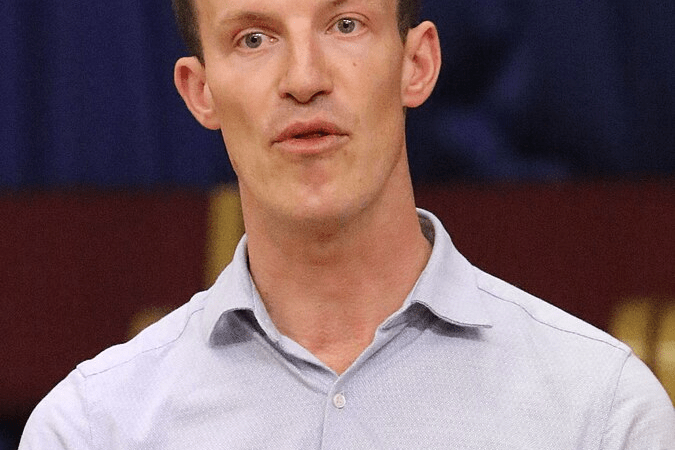
Labour’s victory in last week’s Mid Beds by-election was outstanding but not entirely unexpected. Nor was it without some areas of concern for Labour, reports Rachel Garnham.
We overturned a 24,664 majority with a swing to Labour of 21 points. Credit must go to all those who worked extremely hard – including the candidate, Labour members, trade unionists and Labour staff – to win votes for Labour over the four-plus months from the resignation of Nadine Dorries to the by-election on 19th October. We must, however, draw the right lessons from Labour’s victory and not pretend all is well with Starmer’s Labour.
The campaign got off to an inauspicious start with a selection process that left a lot to be desired, and could barely be described as democratic. Members were invited to an online selection meeting at extremely short notice and presented with a shortlist of two, chosen by a panel dominated by National and Regional Executive Committee members with only one CLP representative.
The panel weeded out any local representation, despite some strong candidates. It has been suggested that from looking at social media and presence at early events, there appeared to be a chosen son from the outset. None of the alternatives who put their name forward was deemed good enough, even those not from the Party’s left, and an extra 24 hours were added for new candidates to come forward, although this was not widely advertised.
Lo and behold a reasonable, but clearly disinterested candidate, also from London and with no local connections whatsoever and clearly no interest in the campaign, was added to the shortlist. We voted and Alistair Strathern was declared the candidate with no scrutiny of the voting and no declaration of numbers of votes, eligible voters or any of the usual norms of democratic meetings, despite requests.
So we had a candidate, and the regional office swung into action. Local members could turn up to door knock or leaflet as and when they wished to or not. At this point there was no follow-up meeting to galvanise local members or pool our collective expertise of living, working, and campaigning for Labour in the constituency over many decades – a wasted opportunity.
There was a strategy meeting for members a couple of months later but by this point it was too little, too late, we knew our job was merely as foot-soldiers. There appeared to be no recognition that our extensive local networks might be of value in an election campaign run by outsiders with a candidate parachuted in from London. A request to discuss accessible campaigning from the CLP’s Disabled Members’ officer was not responded to.
Those of us who have lived in Mid Beds and campaigned for Labour here for decades were cautiously optimistic about Labour’s chances. We had achieved a strong second place in 2015, 2017 and 2019 with excellent candidates but little campaigning.
National polls indicated a Tory collapse and demographic changes to the constituency were working in Labour’s favour. It has long been reported that commuter seats such as Mid Beds are becoming more winnable as younger more diverse voters are priced out of London. And there are areas of the constituency that are essentially part of Luton and Bedford, both of which have Labour MPs.
This combination of circumstances led to Labour being willing to invest significant resources to fight the seat, despite the Lib Dems claiming endlessly that they were the anti-Tory vote and Labour couldn’t win. Despite being a poor third in recent general elections and having no local activist base whatsoever, the Lib Dems were determined to fight their corner using such arguments as there had previously been a Liberal MP here in the 1920s they were best placed to win. Bizarre.
Of course those who advocate tactical voting, such as the Progressive Alliance, fell in behind them, despite all evidence indicating Labour was best placed to win. It remains frustrating that some people seem unwilling to distinguish between Labour and Lib Dems despite the experience of the 2010-2015 Con Dem austerity government which tripled tuition fees, privatised the post office and did so much wider damage to our public services. And yet I’m aware that some voters chose the Lib Dems as a ‘left’ anti-Starmer protest. They wanted to try to stop Labour or the Tories winning in line with the pro-liberal arguments being made by Lib Dem canvassers such as supporting the right to protest and continuing to oppose Brexit.
So what actually happened? Yes, Labour won the seat but only with fewer votes than we achieved in 2017 and 2019. Turnout was 44%, down from 74% in 2019. I understand this is typical of by-elections but in nearly 20 years of living here I have never seen anywhere near the level of campaigning we had over recent months. I have never had anyone knock on my door at election time previously, this time I had at least half a dozen calls.
We are used to being left alone by all major parties, and as Labour activists, while we try to put on a bit of a show, we focus on supporting key seats locally in Bedford, Milton Keynes and Stevenage. I think it was very clear how close the by-election was likely to be so such a low turnout is hardly a ringing endorsement of the parties on offer.
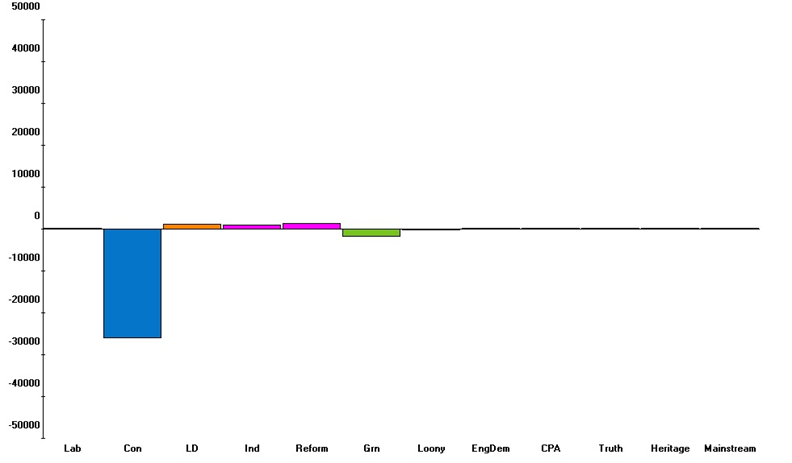
The figures show that while most parties’ votes remained largely unchanged on 2019, the Tory vote plummeted. This is clearly the story of the night and what we can expect to see going into a general election. And while Labour’s vote fell slightly, the Lib Dems’ and Reform Party’s vote increased.
Questions need to be asked about whether Labour can hold together a coalition of voters sufficient to give it the amount of seats it should win against this horrendously unpopular Tory government, and whether it is likely, in Mid Beds, that the two-thirds of 2019 Tory voters who stayed at home will stay there with a likely incoming Labour government. Labour’s coalition is already fractured and fragile.
In Mid Beds, Labour went after Tory voters. Some may have swung to Labour, which would mean other Labour voters have swung away. Anecdotally, young voters in particular stayed at home, and we also know Starmer’s interview, endorsing war crimes in Palestine, as well as being morally abhorrent and a political dead-end, also alienated previous supporters of Labour in the last few days before the by-election.
These are not rifts easily mended, and we must continue to exert as much pressure as possible for Labour to put forward an agenda that can genuinely inspire voters to turn out and support Labour and to stop alienating core parts of its base.
Rachel Garnham was a Labour NEC member from 2018 to 2020. She is Vice Chair of the Campaign for Labour Party Democracy and a member of Eastern Labour Left organising group.
Image: Alistair Strathern. Author: Toddy1, licensed under the Creative Commons Attribution-Share Alike 4.0 International license.
 Labour Hub