
Will this latest mis-step be another defining moment for Keir Starmer’s government?
People have reacted with dismay at the government’s announcement that the bus fare cap in England will rise from £2 to £3 at the end of this year. Coming on top of the retention of the two child benefit rule and the cut to the winter fuel allowance, this latest measure will again hit the poorest the most.
The move came despite strong lobbying from Labour mayors. Andy Burham has already said that Greater Manchester will retain its £2 cap on single bus fares for the whole of 2025.
More than 60,000 people have signed a petition calling for the £2 cap on bus fares in England to be maintained. For people reliant on rural bus services particularly, the hike to a £6 return trip will be a disincentive to leave home, even to visit a doctor.
Owen Jones described the proposal as “completely deranged,” adding: “It hammers the poor. It’s bad for the environment. It makes it harder for people to get to work. It raises little cash. And – like the Winter Fuel Payment – it will cut through in the worst possible way.”
Blogger and author Phil Burton-Cartledge agreed: “When 16% of Britons don’t have access to a car and most of whom among the poorest people in the country, a bus is a lifeline. The Tories’ introduction of a cap meant ticket price certainty across most routes in England. It made budgeting easier, allowed for the car-less to venture further afield for work, and afford trips into town or round and about to see friends and family.”
He concluded: “For the sake of a tiny amount of money and a barely visible perceived political advantage, Labour is set on demobilising the support of the people they need for it to remain in office. Again.”
Clive Lewis MP tweeted: “Reducing the bus fare cap will cut just £0.07bn from govt spend At the same time it’ll hit the less well-off hardest. We shouldn’t make the poorest – and the environment – pay to demonstrate ‘fiscal credibility’ Instead, we should take redistribution seriously again, which is why I’ve been backing increased taxes on wealth.”
Labour’s former Director of Policy Andrew Fisher agreed, slamming the decision as “Bad for people’s living standards. Bad for local businesses. Bad for the environment. And deeply unpopular too.” He quoted figures suggesting that the fare hike was viewed unfavourably by 55% of the public.
Former Labour MP Alan Simpson asked: “Why not just reinstate the fuel price escalator? Let fossil fuels subsidise public transport. So much better for the planet.”
Five million people are estimated to be in transport poverty. Cat Hobbs wrote on Labour List that even a 10% increase in price leads to around a 4.9% reduction in journeys and said that “the government should go in the other direction and make bus travel free.”
Public transport campaigner Ellie Harrison, who is part of the Better Buses national coalition, told Labour Hub: “It is shocking to hear that the fare cap is going up so much. This will hit the poorest (who rely on buses) hardest and discourage others from using public transport, at a time when we need to be doing the exact opposite. Meanwhile I’m sure fares in London (regulated by Transport for London) will remain capped at £1.75 – the injustice and inequalities are plain for all to see. We expected better from this Labour government.”
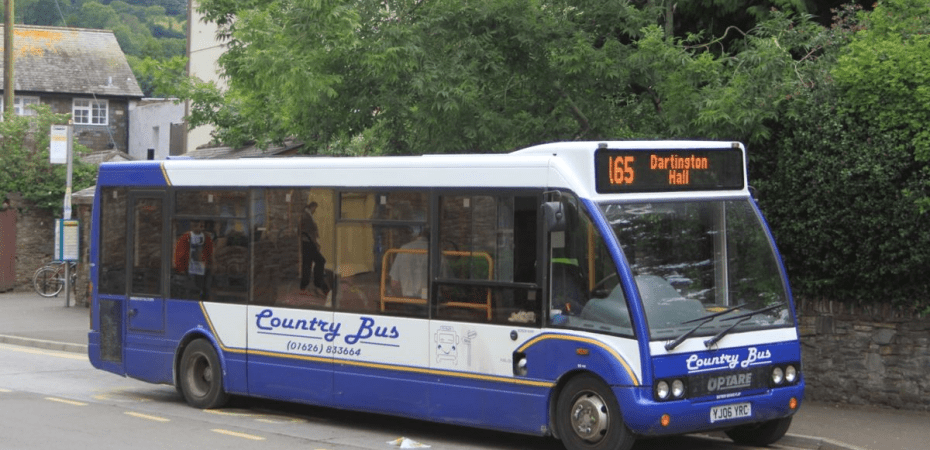
Image: Totnes Seven Stars – Country Bus Author: Geof Sheppard, licensed under the Creative Commons Attribution-Share Alike 4.0 International license.
 Labour Hub
[…] albeit too cautiously, in many areas, this was definitely not the case on the environment. The increase in the bus fare cap, discussed previously on Labour Hub, and the freeze in fuel duty came in for particular […]