
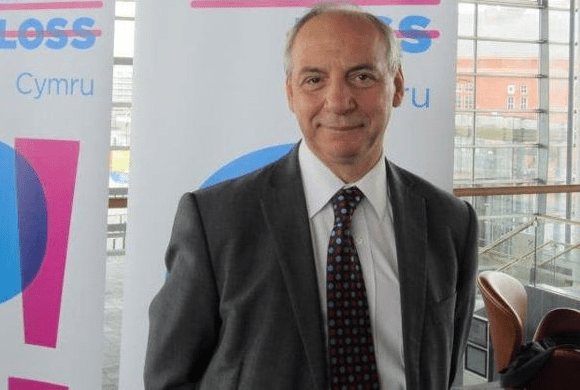
Mike Hedges AM puts forward his analysis of the recent by-election win by Plaid Cymru.
In July 2024 Labour won 27 of the 32 parliamentary seats in Wales and won the general election with a large majority, forming first Labour Government since 2010. Hidden behind that result was a decline in turnout of 9% and a reduced percentage of the vote, down to 37% from 40.9%, with the popular vote reducing from to 487,636 from 632,035. Labour’s victory in 2024 was due to the collapse of the Conservative vote rather than enthusiasm for Labour.
Since the general election, we have seen the growth of Reform in Wales in council by-elections with them winning seats in Torfaen, Llanelli, Barry, and Cardiff. Opinion polls have consistently shown a huge growth in Reform support since the General election.
Westminster Government
The Westminster Government became very unpopular very quickly. The decision to cut the winter fuel allowance for everyone who was not on pension credits was very unpopular and wrong. The right decision has now been made, with a cap on income to receive it and not providing it to people living abroad, but a lot of damage had already been done. A failed attempt at changing benefits followed and that further weakened support.
There has been a failure to stop small boat crossings which Reform continually raise. Keir Starmer is massively unpopular, to the stage that people are not listening to him. The mention of his name provokes derision, including from Labour supporters.
Cardiff Government
The Welsh Government has made unpopular decisions and while the 20mph limit is generally supported on estates and outside terraced housing, it is very unpopular on B roads which are seen as roads that join communities.
The proposal to expand the Senedd and bring in a different voting system is unpopular with the electorate: there is a belief that we have enough Senedd members and moving to a complicated voting system only makes it worse.
With health, we have long hospital waiting lists and there is difficulty in getting a GP appointment and getting an NHS dentist.
Progress on the environment, animal welfare and social housing has been slow with concerns about river and air pollution and a lack of social housing.
There has been a failure to devise a successful economic growth policy. An economic development plan based upon agriculture and tourism is unlikely to lead to economic growth and a wealthier Wales.
Caerphilly Council
Caerphilly has locally been an unpopular Council. The library closure programme is both unpopular and unlikely to save substantial sums of money. There is a substantial Plaid Cymru group on Caerphilly Council which gave the Plaid Cymru campaign a good start.
Campaign
The campaign started badly with the Council Deputy Leader being kept off the shortlist of candidates for the by-election. This was followed by the Council Leader resigning from the Labour Party and supporting Plaid Cymru.
Reform has dominated Council by-elections in the South Wales valleys since the general election and was expected by them to win Caerphilly comfortably.
The Labour vote collapsed: a Camlas-sponsored poll by Survation in the run-up to the by-election suggested that the election was between Plaid Cymru and Reform and Labour were in a distant third place. This fed the ‘vote Plaid Cymru to stop Reform’ strapline being promoted by Plaid Cymru and led to a catastrophic drop in the Labour vote.
This is a classic example of tactical voting, also of producing a self-fulfilling prophecy.
Result
Plaid Cymru won, Reform came second and Labour a distant third. It is not the first time Labour lost in the South Wales valleys. In 1999 Labour lost Islwyn (the neighbouring seat to Caerphilly,), Rhondda and Llanelli. Plaid Cymru’s leader Leanne Wood took the Rhondda in 2016. All seats returned to Labour at the next election.
Labour voters, identified as late as the second week of October, when knocked up on polling day apologised and said ‘Sorry, but I want to stop Reform, so I am voting Plaid Cymru.’
Conclusions
Reform is not unbeatable in an election, but they have won over a large proportion of former Conservative voters, enthused previous non-voters to vote and won votes from previous supporters of other parties.
The largest voting bloc is now the Stop Reform bloc which Plaid Cymru successfully won over at the Caerphilly by-election. But remember: it is just one by-election and there are over six months to the Senedd election.
Mike Hedges is the Senedd Member for Swansea East and a former Leader of Swansea Council.
Image: Mike Hedges. Author: Steve Cushen, licensed under the Creative Commons Attribution-Share Alike 3.0 Unported license.
 Labour Hub
[…] not be opposed – were introduced that split the community into different constituencies. The closure of libraries by the local Labour council has also been deeply unpopular. In villages in the Welsh valleys, local […]