
Lara Parizotto highlights an important omission in the Government’s new legislation.
The Labour Government has finally introduced the Representation of the People Bill. The long-awaited Bill brings long-overdue reforms to our democracy in the format of votes at 16, expansion of Photo ID rules and moves towards automated voter registration. This Bill, however, fails to live up to its name as it leaves millions of people completely locked out of the ballot box.
I am very excited to see young people voting in the next General Election. Yet, my Brazilian friends living in England and Northern Ireland, whether they are 16 or 60, will be left out of that and every other election shaping the decisions affecting the place they call home.
The Government presents the Representation of the People Bill as their promise to make UK democracy “fair, secure and inclusive”. How can we call our democracy fair, inclusive or even universal when it leaves 1.2 million people without any right to vote at all and 4.4 million people without the right to vote in General Elections.
By lowering the franchise to 16-year olds, the Government states that democracy in England and Northern Ireland will be brought “in line with Scotland and Wales”. But Scotland and Wales didn’t just lower the voting age to 16. Their sweeping democratic reforms lowered the voting age and extended the right to vote to all qualifying foreign residents. That means that a Ukrainian resident living in Cardiff can vote for their councillors and Members of the Senedd but if this same resident moves to Bristol, they lose all ability to vote. If the Representation of the People Bill wants to live up to its name, it must extend the franchise to all residents across the UK.
Extending the right to vote to all residents is what is truly needed to make our democracy fair, inclusive and representative. And it is a policy Labour has already endorsed. It now needs the political will to make it happen.
Whilst in opposition, then Shadow Democracy Minister Alex Norris, now Minister of State at the Home Office, tabled an amendment (NC14) to the Conservative’s Elections Bill proposing for the right to vote in Parliamentary elections to be extended to all settled residents. In addition, 21 local authorities have so far passed motions in support of votes for all, including the Greater London Assembly, and Labour-led councils including Manchester, Liverpool and Preston.
Votes for all is what is needed for migrant residents in the UK to finally have a voice, to stop being used as the political football too many politicians and much of the media rely on for their political failings.
One in six residents in England and Wales were born outside the UK. If our political leaders and policies actually reflected the needs and interests of the population as a whole, we would have to see a much more welcoming immigration system. Without the right to vote and the ability to hold politicians accountable, however, immigrants are used as the scapegoats for the country’s problems. Without the leverage of the vote, immigrants are at best ignored and at worst, as we see now, actively demonised.
Extending the right to vote to all residents matters not only for immigrants. A real, modern democracy must include all residents. The current system is unnecessarily complex – even for politicians. And those who do have the right to vote are not voting due to the lack of information reaching them about their democratic rights, shown by the low voter registration rates amongst EU and Commonwealth residents with only 66% registered to vote.
If you are British, Irish or a qualifying Commonwealth citizen (with leave to remain in the UK), then you do have full voting rights in the UK. If you are from any other nationality, however, things get more complicated.
In England and Northern Ireland, those EU citizens who entered the UK before 31st December 2020 maintain their right to vote in local elections. Those EU citizens who entered the UK from 2021 onwards can vote in local elections only if their country of origin has a bilateral voting rights agreement with the UK. Currently only Poland, Luxembourg, Spain, Portugal and Denmark have these agreements. To illustrate, an Italian citizen who arrived in London in 2019 can vote in the upcoming local elections in May. Their friend who started living in London in 2023, however, will not be able to vote at all, unless they move to Glasgow where residence-based voting rights has been implemented.
If you are from any nationality living in England and Northern Ireland, you have no right to vote at all. People from Brazil, the US, Japan, Syria, and beyond cannot vote at all. In Scotland and Wales, however, votes for all is now a reality.
The Representation of the People Bill must use the opportunity to extend the franchise to all residents and achieve a true democracy. This is why Migrant Democracy Project is campaigning for votes for all and is hosting an online webinar on the 18th February at 12:30pm for those who want to support the campaign for votes for all. You can register here.
It is time for a truly representative democracy.
Lara Parizotto is Executive Director of Migrant Democracy Project
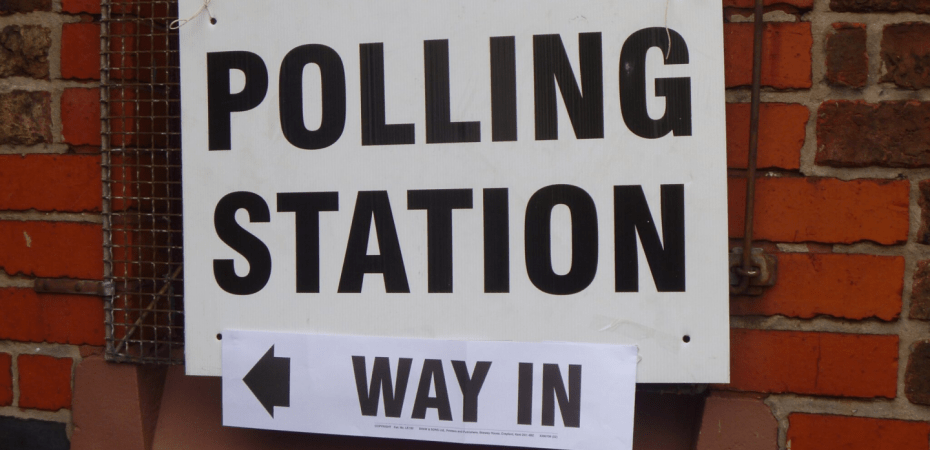
Image: Creator: rawpixel.com | Credit: rawpixel.com. CC0 1.0 UNIVERSAL Deed
 Labour Hub