
On Sunday 1st March fares for tube, rail and Docklands Light Railway journeys in London will go up by 6% – and so will journeys by River Bus and the cable car across the Thames.
Fare Free London rejects the logic of annual fare rises on public transport, which are presented as inevitable, rather than as the political choice made by the Mayor of London and the national government.
Certain public transport fares – Transport for London buses and National Rail fares – have been temporarily frozen, which give little comfort to public transport users – but also demonstrates that fare freezes can be implemented by the Mayor and government at their will.
“This is a political choice. There is nothing inevitable about it,” Pearl Ahrens of Fare Free London said. “And it’s part of an agreement to keep pushing up fares by more than the rate of inflation.
“The Mayor agreed with the government in June last year that fares in London will rise by 1% more than the rate of inflation every year until 2030.
“This is going in completely the wrong direction. Increasing the proportion of income coming from fares has real costs for people who live in London, and it’s not necessary. The transport systems in most of the world’s big cities rely far less on fare income than London’s does – more sustainable sources of funding can be drawn from elsewhere.”
The burden of running the city’s transport system is being pushed on to low-income Londoners – including the 26% of households in London living below the poverty line.
Research by Fare Free London last year found that high tube fares mean that people are forced to take long journeys to work by bus, costing them more time, and they cannot take their children out at weekends.
“The high cost of public transport has negative effects for London,” Ahrens said. “Not only in depriving millions of people of leisure trips and quality time because they can’t afford to make the journey, or spend too long getting home from work. Further, 62% of respondents in our research said they worry about the cost of their journey ‘often’ or ‘every time’ they travel.
“Public transport in London relies more heavily on fare income than other global cities such as New York, Paris or Hong Kong. The most progressive cities are moving towards a zero-fares system, including several French cities and more than 100 municipalities in Brazil.”
The Mayor of London, Sadiq Khan, and the Secretary of State for Transport, Heidi Alexander, have both said the fare increases are a necessary part of a funding package for TfL. The package also includes grants from the government to pay for new Piccadilly line trains and other capital investments.
However, the grants, averaging £550 million a year for five years, are only about 5% of TfL’s income. Passenger income is 51% of the total – and will increase to 59% by 2030.
Pearl Ahrens said: “There are many levers the Mayor could use to put the burden where it belongs, on businesses who benefit from London’s transport system. A payroll levy on companies in the city, and coordinated parking charges, both used in Paris, would be a start.
“But the biggest change is needed at national government level. While high fares are adding to the soaring cost of living, billions are being committed to Gatwick Airport expansion, the Lower Thames Crossing and other transport projects that will exacerbate the climate crisis.
“Think of how bus services across the country could have benefited from the more than £100 billion in revenue lost as a result of fuel duty being frozen. Why are fares going up above the rate of inflation, while fuel duty has not increased for 15 years?
“An integrated approach to transport would shift subsidies away from roads and cars towards public transport and active travel,” Ahrens said.
Fare Free London was set up in 2024 to advocate free public transport in the capital. The Independent Workers Union of Great Britain, and the UK’s oldest doctors’ union Doctors in Unite, have joined the RMT London Transport Regional Council, and other community and campaign groups, to support it.
Fare Free London’s current action is to support a pledge by candidates ahead of the May elections, currently with more than 110 signatories, to “use our platforms to call for the extension of free public transport”.
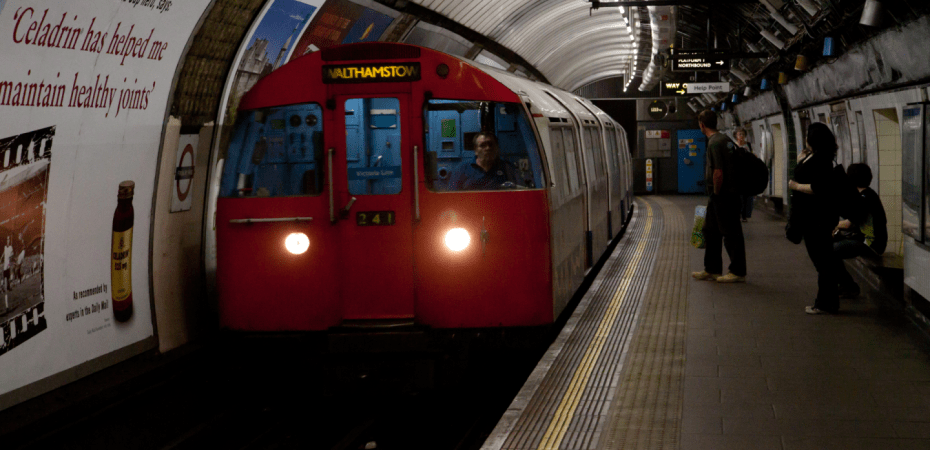
Image: 1967 Stock train at Finsbury Park in 2010. Creator: Tom Page Copyright: Creative Commons Attribution-Share Alike 2.0 Generic
 Labour Hub
[…] Transport Secretary Heidi Alexander insisted TfL must increase fares above inflation every year until 2030 in exchange for funding for projects such as replacing 50 year old Bakerloo line […]