
“The real barriers to the level of investment needed are a fiscal framework that is not fit for purpose.” Dr Daniella Jenkins responds to Chancellor Rachel Reeves’ Spring Forecast.
The Chancellor’s decision to stick to a single fiscal event this year brings a welcome measure of stability after the rumour-fuelled chaos of last autumn’s Budget. Falling inflation and lower energy bills will bring some relief – especially for low-income families – and show that targeted action to bring down the cost of living works.
But the US and Israel’s military action in Iran and the escalating conflict make it only too real how shifting geopolitics continue to create a volatile external economic environment. The Chancellor’s speech recognised some of the implications of the latest events but there was a level of dissonance between some slightly better economic indicators in the Spring Forecast and how most people actually feel about their standards of living today, let alone the implications of what might unfold in the Middle East tomorrow.
We are already seeing increased oil and gas prices, likely to drive up inflation and therefore the costs for everyday goods for us all. Now is the time for the Chancellor to lay the groundwork for reforming the Government’s fiscal framework to strengthen our social infrastructure and economy in the long term and shore up our resilience to such external shocks. Otherwise, we risk reversing back to debates about the size of a short term ‘fiscal gap’ while the foundations of our economy continue to buckle and women pay the price.
Underinvestment in public services is not gender-neutral: it is women who disproportionately bear the costs through lost earnings, poorer health, and weakened long-term economic security. Women’s unpaid labour is compensating for the government’s failure to significantly invest in social infrastructure,
Only today we have seen food inflation increasing again. NHS waiting lists, still at 7.29 million in England, continue to keep people out of work, and our broken social care system strips people of their independence. Recent IPPR research shows a decline in healthy life expectancy. Expensive childcare continues to stretch many families’ budgets too far and pushes women out of the labour market or into debt. With an aging population, the cost of inaction will only grow. The care crisis must be treated with the same urgency as any other economic crisis.
The Chancellor’s confidence in the impact of higher GDP per person is not reflected in the national wellbeing measures published last week. According to the Office for National Statistics headline measures, where average life satisfaction used to track GDP per person, it diverged during the pandemic and has not returned in line with national growth figures since. Standards of living go far beyond GDP and include the wellbeing and conditions of our families, communities and local services.
There is now a clear opportunity to act. The Government cannot continue to argue that growth must come first while at the same time emphasizing that investment in physical infrastructure drives growth. The truth is: investment in health, education, and care is essential to a productive, resilient, and sustainable economy. We are more vulnerable to the impact of global events and economic shocks precisely because we have not invested in our economy’s foundations.
The real barriers to the level of investment needed are a fiscal framework that is not fit for purpose and an out-of-date tax system. By allowing borrowing only for capital spending, the Treasury systematically sidelines investment in people and services, treating social infrastructure as day-to-day spending rather than an investment that will deliver long-term economic returns. This traps policymaking in a narrow debate about fiscal headroom driven by the latest headlines instead of how to meet the country’s needs.
The Chancellor should reform her fiscal rules to recognise the long-term returns of social infrastructure by introducing ‘investment spending’ in addition to capital and current spending, alongside creating a more fair and progressive tax system. This would enable sustainable investment in essential services, enhance employment, promote gender equality and generate a stronger social fabric in the face of global economic headwinds.
Dr Daniella Jenkins is Executive Director at the Women’s Budget Group, the UK’s leading feminist economics think tank, providing evidence and analysis on women’s economic position and proposing policy alternatives for a gender-equal economy. WBG acts as a link between academia, the women’s voluntary sector and progressive economic think tanks.

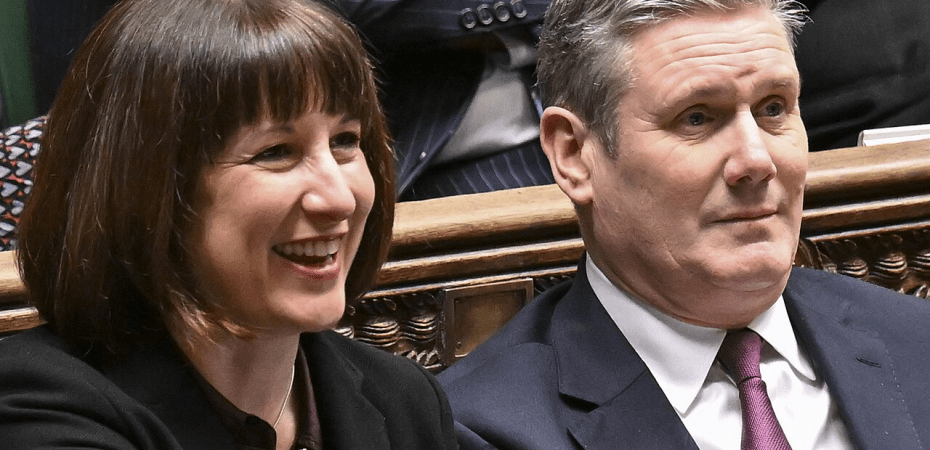
Image: Rachel Reeves and Keir Starmer https://commons.wikimedia.org/wiki/File:Rachel_Reeves_and_Keir_Starmer.jpg Source: UK Parliament. Author: © UK Parliament / Maria Unger, licensed under the Creative Commons Attribution 3.0 Unported license.
 Labour Hub
