
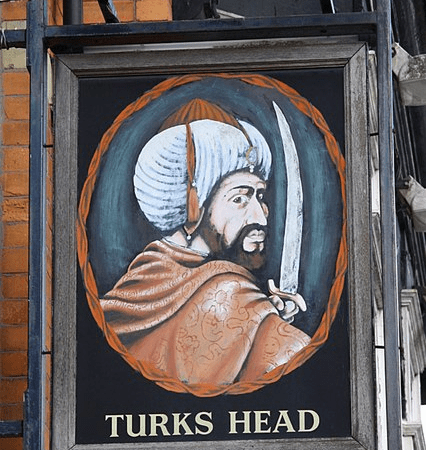
Professor Corinne Fowler, co-investigator on The Rural Racism Project, led by Professor Neil Chakraborti, discusses new research project findings about racism in the countryside.
In 2025, the Centre for Hate Studies at the University of Leicester released three reports which detailed the research findings of their Rural Racism Project. Led by Professor Neil Chakraborti and funded by a Leverhulme grant, this research project ran between 2023 and 2025. The co-investigators were Professor Corinne Fowler, Dr. Amy Clarke and three postdoctoral researchers: Dr. Viji Kuppan, Dr. Rachel Keighley and Dr. Adrian Yip.
We conducted in-depth interviews with minoritised residents and visitors to rural areas, white rural residents, community organisations and service providers. The research team also embarked on an extensive investigation of online forums, social media and public comments posted below news media articles on the topic of racism in the countryside. Project participants were also asked to produce personal reflections, poems and biographical writing which communicated the emotional experience and impact of racism in the countryside. This combined evidence provided a rich, nuanced and up-to-date description of racism.
The project produced three reports (The Rural Racism Project: Towards an Inclusive Countryside | The Centre for Hate Studies | University of Leicester). The first is entitled Unpacking Experiences of Hostility, which drew on 115 in-depth interviews. This report focuses on how racism has been experienced, expressed and navigated by minoritised individuals.
The key findings of this report is that rural life is both enriching and attractive to those we interviewed, but that the experience of racism is both common and persistent. Nature plays an essential role in well-being and physical health but the benefits are marred by both interpersonal and institutional racism. Minoritised individuals and groups commonly find it hard to feel they belong in an environment where racism is widely and frequently expressed.
We found that interpersonal racism is frequently expressed through persistent watching and aggressive staring, hostile body language and deliberate exclusion. One commonly reported example was the persistent experience of not being served in a restaurant, café or pub. Participants also told us about overtly threatening behaviours such as name-calling, racial slurs, direct intimidation or threats. The more subtle experiences of racism often go unreported and therefore do not show up on official statistics (ironically, a low statistical incidence of recorded racist incidents in the countryside was levelled at the project team by hostile media as well as the Countryside Alliance).
The first reason for not reporting racism is that complainants’ identity is too obvious, given their visibly minoritised status in majority-white villages and hamlets. One woman of Caribbean heritage told us that, though she had been living in a village for decades, new neighbours conducted a relentless racist campaign against her, hoping to drive her out of the village (and here I have had to omit the details of her neighbours’ overtly racist actions to protect her from being recognised). She feared violent reprisals if she complained to the authorities or reported it to the police.
Another reason is that racist incidents can be as subtle as they are persistent, but often do not amount to criminal offences and cannot be reported or recorded as such. Nonetheless, these experiences are unpleasant and impact negatively upon victims’ mental well-being. Examples of subtle microaggressions that interviewees told us about include being repeatedly questioned about origins and place of birth, being quizzed about the countryside code and being stereotyped or scrutinised.
Racism in the countryside is not merely interpersonal. Some of the worst sufferers from racism were schoolchildren who, when facing racial slurs and physical violence in the playground, found that schools responded inadequately, or did not intervene. One participant was told almost daily that he should go back to Africa, but nothing was done about it. Meanwhile, anti-racist curriculum materials which might help combat such attitudes are scarce or non-existent. We also found that local authorities and service providers routinely dismiss or minimise people’s experience of racism.
In the context of the rise of far-right populism, nationalist and exclusionary ideas about British identity frame minoritised individuals as outsiders, normalising the expression (and harms) of racism. Participants told us that racism was worsened by racist reporting on immigration and social media campaigns by the far right. Minoritised groups face both career stagnation and a lack of skilled job opportunities. Racism, we learned, has disrupted people’s careers, forced their businesses to close and prompted relocation to urban spaces. One interviewee told us that a Facebook campaign was launched against his family with the purpose of driving them out of the village.
Processing racism takes its toll. For minoritised individuals it results in chronic stress, anxiety, fear, exhaustion and anger. Anticipating, or bracing yourself to deal with, racism – as well as the experience of being a visible minority – also places psychological burdens on minoritised individuals. Participants described how they altered their behaviour, accent, language and appearance to avoid or minimize discrimination. Cultural assimilation became a survival strategy in response to the pressure to conform to local norms, behaviours and tastes. Racism also affects White communities by corroding trust, reinforcing social divisions and limiting the opportunities for connection with those from different cultures.
Our second report is called Unpacking Expressions of Hostility. Drawing on close collaboration with 20 community research partners and using creative writing, arts-informed methods and participant interviews, we investigated how racism is embedded in heritage practices, the built environment, cultural memory, and everyday human encounters. As well as highlighting how inequity is hard-baked into local systems and processes, this methodology gave us greater access to people’s internal worlds as well as providing insights into the emotional impact of experiencing racism. We were able to identify prevalent and pervasive myths which were challenged by those we spoke to.
The first myth is that minoritised communities have no affinity with the countryside. Our evidence directly contradicts this, showing that participants’ selfhood is often profoundly shaped by rural landscapes both in England and through memories and traditions associated with the countryside in ancestral homelands like Kashmir or Jamaica.
A second myth was that racism in the countryside is a figment of people’s imagination. The prevalence of this myth was confirmed by our extensive social media and discourse analysis (featured in our third report). Refusals of hospitality, slow service, exclusion from conversation, intrusive questioning about origins or disapproving looks evade admissible proof. Another commonly expressed concern is that the formation of now-popular Black and Muslim walkers’ groups is unnecessary and divisive. This overlooks the role of such groups in responding to genuine real-world exclusion or prejudice by finding safety in numbers or seeking out relaxing time with friends and neighbours.
Our second report also addresses the myth that rural history is White history. This imagines the countryside as untouched by empire, whereas archival and creative work by our collaborators (as well as by prominent historians like David Olusoga and Miranda Kaufmann) reveals the extent to which rural lives have been shaped by colonial labour, the influx of colonial wealth and migration from the colonies. Indeed, we found that these revisionist histories of rural Britain are actively attracting minoritised groups to the countryside. We also found widespread ignorance about the centuries-long contribution of Romany (Gypsy), Roma and Irish Traveller communities to everyday labour, traditions and ecologies of rural England. Their exclusion is not accidental but built into laws, policies, practices and cultural assumptions.
Our third report – Unpacking the Backlash – collected and analysed 193,000 words from below- the-line comments under news articles as well as social media posts and public debates about rural racism, heritage, and access to the countryside. It found widespread reluctance to explore the colonial history of rural Britain as well as fierce resistance to removing overtly racist pub-names, including The Turk’s Head and The Black Bitch.
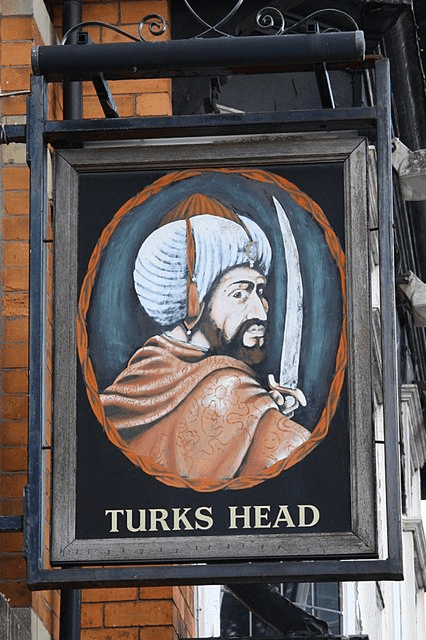
We also found frequent claims that the countryside was being invaded by foreigners and assertions that minoritised groups lack affinity with nature or knowledge about how to behave in the countryside. We further found that expertise on this topic was routinely dismissed, with academic rigour, qualifications or methodologies being questioned. Academics who speak or write about these topics are accused of selecting examples of racism based on preconceived beliefs, producing opinion pieces rather than evidence-based work.
More virulent still, was the force of denial that any problem exists. Rather, assertions that racism exists in the countryside were dismissed as figments of victims’ imaginations – an often-repeated question is “are the fields racist?” – and even personal testimony is commonly dismissed as being “made up”. So the battle to recognise that there is a problem presents a major barrier to acknowledging the issue and moving towards an evidence-based understanding of racism in the countryside today.
Corinne Fowler is Professor of Colonialism and Heritage at the University of Leicester. Her book Our Island Stories: Country Walks Through Colonial Britain is published by Penguin Allen Lane.
Image: https://commons.wikimedia.org/wiki/File:The_sign_of_the_Turks_Head_-_geograph.org.uk_-_1300151.jpg Source: From geograph.org.uk Author: Richard Croft, licensed under the Creative Commons Attribution-Share Alike 2.0 Generic license.
 Labour Hub
