
Reform UK offers nothing but reflexive alignment with Washington’s destructive wars, argues David Jackson.
“Britain first,” thundered defeated Reform candidate Matt Goodwin, as he rounded on politicians prioritising foreign affairs over their constituencies. He stumbled under questioning, and his lack of surefootedness has proven instructive as Reform flunked the first big test of its ‘Britain First’ credentials.
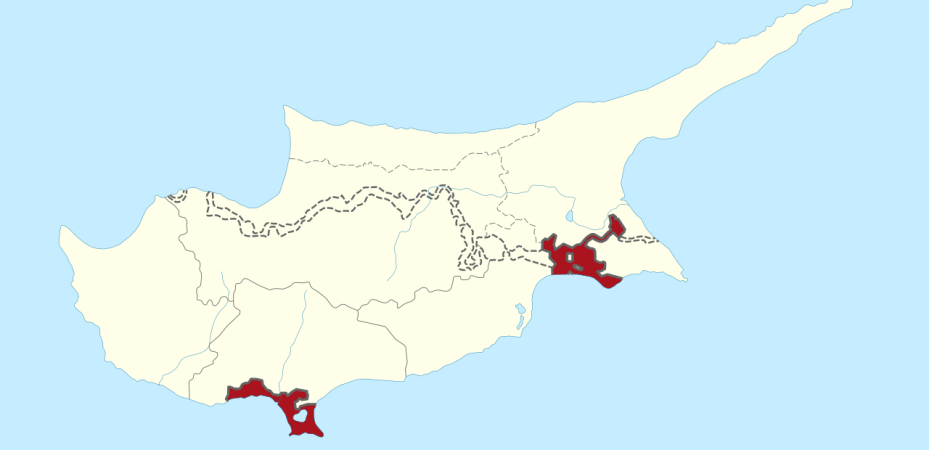
Reform’s instinct was to cheer on the US and Israel’s war of aggression against Iran, and to condemn Keir Starmer for his refusal to make UK military facilities available. For a party that has defined itself against establishment orthodoxy, the continuity is arresting. Faced with a major international crisis, Reform fell immediately into line with decades of failed Atlanticism, and in doing so set aside our own interests: preventing regional escalation and refugee flows, safeguarding maritime routes and energy security, and keeping the UK bases at Akrotiri and Dhekelia out of harm’s way.
We desperately need a change. Atlanticist thinking entangled British forces in the quagmire of Afghanistan, took Britain into the nightmare of Iraq, and now leaves us exposed to coercion from an unpredictable and unsentimental American president.
A genuine Britain First alternative would defend the homeland, maintain maritime trade routes, and prevent the emergence of hegemony in continental Europe, but would steer clear of other states’ wars and resist the impulse to treat every US military action as a must-pass test of loyalty.
It would return Britain to a middle-power balancing role: re-engaging with Europe where it advances our interests, working productively with China rather than indulging in theatrical antagonism, and maintaining a transactional rather than emotional relationship with Washington.
In the Middle East, our interests lie in peace and stability: securing energy flows, preventing further refugee crises and keeping British forces and infrastructure out of danger. Rushing to involve ourselves in Washington’s latest war undermines these objectives.
Reform sadly offers none of this. Theirs is a shift in rhetoric rather than serious strategic realignment. The liberal frame of democracy, human rights and a ‘rules-based order’ is largely absent, replaced by the Huntingtonian logic of civilisational strife. Iran represents a bastion of radical Islam to be confronted and subdued. Israel’s assault on Gaza is viewed in much the same light.
But in practical terms, Reform does not offer change. The language is more bellicose and uncompromising, but it still leads the UK into reflexive alignment with Washington and consequently more avoidable, destructive wars. Until Britain starts determining its commitments according to a cold-eyed assessment of its own interests, “Britain First” will remain just an attractive slogan, and Reform will represent yet another missed opportunity for much-needed change.
David Jackson has an MA in Geopolitics and an MSc in International Development. He is a member of High Peak CLP.
Image: https://commons.wikimedia.org/wiki/File:Cyprus_Akrotiri_and_Dhekelia_locator_map.svg Cyprus Akrotiri and Dhekelia Source: Cyprus location map.svg Author:
NordNordWest, edited by Carport, licensed under the Creative Commons Attribution-Share Alike 3.0 Unported license.
 Labour Hub

