
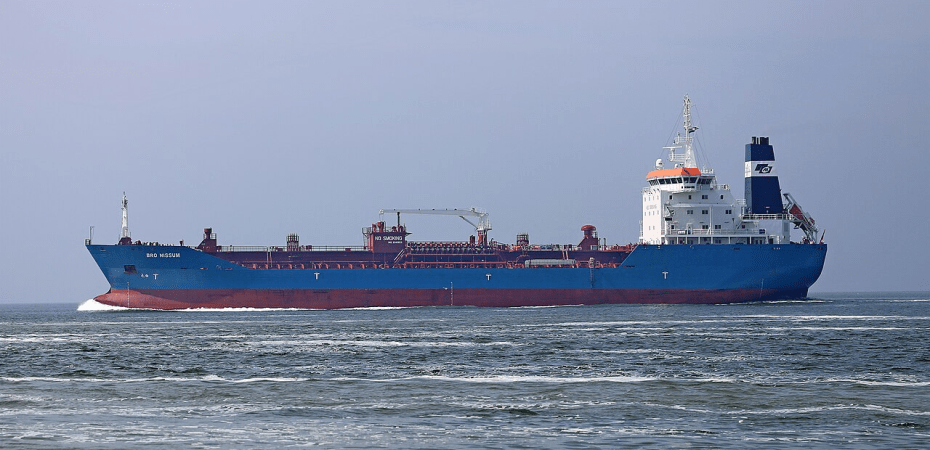
Amid the humanitarian crisis, the illegal bombardments and the slaughter of defenceless civilians, one other feature of the unprovoked US-Israeli attack on Iran should be noted: the impact on international energy markets. Global oil prices are surging. For the first time since Russia’s 2022 invasion of Ukraine, the price of oil has skyrocketed past $100 per barrel. It is currently trading over a third higher than before the conflict began.
It’s not hard to see why. About 20 percent of the world’s oil comes from the Gulf region, and most of it is shipped on massive tankers through the narrow Strait of Hormuz – more than 20 million barrels a day.
But not anymore. Since the Iran war began, marine traffic through the Strait of Hormuz has nearly ground to a halt. Additionally, alternative routes are very limited.
The impact on some countries has been catastrophic. Bangladesh, theeighth most populous country in the world, relies on imports for 95 percent of its energy needs. It has closed its universities and launched fuel rationing amid a worsening energy crisis.
People hoping that rapidly rising oil prices would lead President Trump to bring the US-Israeli war on Iran to a close will be doubly dismayed by his response this week. His decision to loosen sanctions on countries buying Russian oil is aimed at easing the pressure on prices. But it will also put some $10 billion in Russian coffers, making it easier to prosecute its illegal war on Ukraine. The move reinforces the belief that Trump is in the pocket of the Putin regime.
Perhaps Trump believes that the US economy is resilient enough to withstand a major oil price hike. That won’t apply in Europe – nor Britain. Simon Francis, coordinator of the End Fuel Poverty Coalition, said: “Global price shocks translate into higher energy costs because the UK remains so heavily dependent on gas and the mature North Sea basin will be unable to meet domestic demand within the next few years. Our energy system also links the cost of gas to electricity prices because the grid still relies on gas-fired power stations, although this influence eased last year.
“Bills are effectively protected until at least 1st July 2026 because the April to June cap has already been set. But that also means the real risk is what happens next. If elevated prices persist, they will affect Ofgem’s next price cap decision in May, which takes effect from July.
“Households that rely on heating oil are even more exposed, and the latest surge in those prices will be a major concern for rural and off-grid families needing to refill in the coming weeks.
“This is a stark reminder that the UK is still dangerously exposed to volatile international markets. The only lasting protection for households is to cut gas demand through a nationwide insulation programme, expand homegrown renewables and reform energy pricing so bills are no longer tied so closely to global fossil fuel prices.”
He added: “With prices rising again, ministers should urgently meet with charities and frontline organisations to discuss plans for emergency support for those most at risk from high energy bills.”
Uplift Deputy Director Robert Palmer said: “The UK’s dependence on fossil fuels is making all of us poorer – all except for the oil and gas bosses and their shareholders who once again will cash in at our expense. It’s not just energy bills that look set to increase, but the cost of driving, mortgages and our supermarket shop.
“The only way to insulate ourselves from these risks is by doubling down on renewables, like wind, and upgrading homes with solar power and heat pumps, so we can free ourselves from oil and gas.”
Image: https://commons.wikimedia.org/wiki/File:00_0558_Oil_tankers.jpg. Author: W. Bulach, licensed under the Creative Commons Attribution-Share Alike 4.0 International license.
 Labour Hub
