
By Cllr Seema Chandwani
Life has become so much more difficult for families on low (or no) incomes in recent years. The combined impacts of the coronavirus pandemic and the energy crisis are compounding and exacerbating more than a decade of Tory austerity.
These problems are particularly acute in Haringey, which has the fifth highest level of vulnerability of all London boroughs according to the Cost-of-Living vulnerability index. Even this index only measures the averages, and therefore doesn’t reflect the true levels of fuel poverty, food insecurity, child poverty, claimant count, and more, in the east of our borough where deprivation is most concentrated.
Local need has risen enormously over recent years, and I know there are similar problems in towns and cities across the UK.
Government-funded Discretionary Housing Payments (DHP) allow local authorities to temporarily support residents who are struggling to pay their rent or need help with the costs of moving. For many residents, these payments are what stand between them and homelessness.
Reasons for DHP awards are recorded in national statistics which we can compare to our local data.
This shows that, compared to national spend, Haringey awarded a far greater proportion of our DHP payments to residents who are impacted by the Benefit Cap (66% compared to 15%). As for the proportion of spend going to residents impacted by the Benefit Cap, this group has grown to 70% during this financial year.
This reflects the number of highly vulnerable families either in temporary accommodation or paying unaffordable levels of rent, compounded by an acute shortage of social housing.
Over the last two years, our DHP allocation has been cut in half.
The drastic cuts in funding from national government have left local authorities to make extremely difficult decisions as to how the remaining funds are spent.
In Haringey, we have seen an almost halving in the amount of DHP claims we can approve, despite growing need.
In essence, we have been asked to take away support from many vulnerable residents, or to significantly reduce the support we provide to each. Either way, any further cuts to DHP will severely impact our ability to achieve the DHP’s primary aim of protecting residents from homelessness.
As prices continue to rise in the Private Rented Sector and inflation results in real-terms wage cuts, we are asking the Government to reconsider its approach to DHP allocation and provide a dramatically increased sum for the approaching financial year.
In the absence of broader policy interventions to improve the housing market, the alternative is more and more families falling behind on rent, being denied support, and losing their homes. Ensuring councils have DHP allocations that reflect the huge need is essential to avoid the crisis getting worse.
Cllr Seema Chandwani is Haringey Cabinet Member for Tackling Inequality and Resident Services.
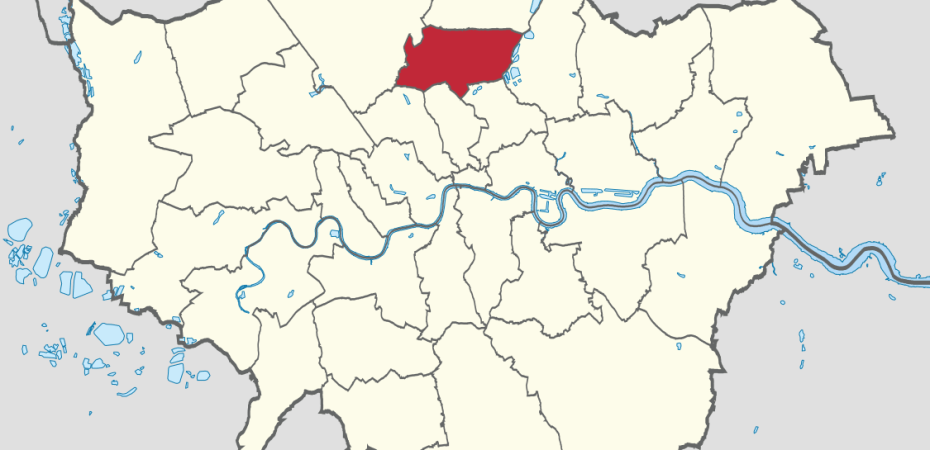
Image: Haringey in Greater London. Source: This W3C-unspecified vector image was created with Adobe Illustrator. Author;TUBS, licensed under the Creative Commons Attribution-Share Alike 3.0 Unported license.

