
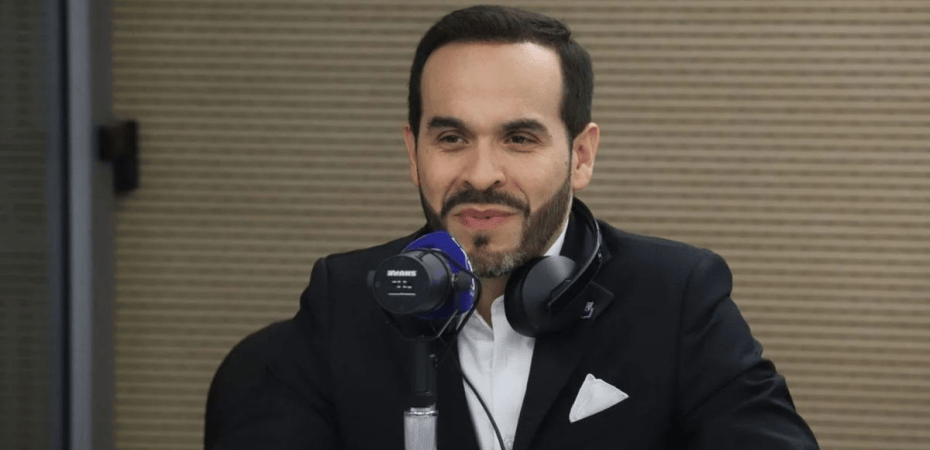
An update primarily compiled from reports from Justice for Colombia.
Just two months after right wing President De la Espriella took office, Colombia’s fragile decade-old peace process hangs in the balance.
The agreement, signed between the government and the leftist FARC-EP (Revolutionary Armed Forces of Colombia – People’s Army), promised to bring an end to over 50 years of war in the country. Yet since then, nearly 500 former FARC-EP combatants who signed the agreement and more than 1,700 activists have been murdered. Of the 13,500 accredited FARC members in the peace process, over four per cent may have died violently, despite having disarmed and begun reintegrating into civilian life.
There are long-term causes for the ongoing fragility of the process, including a lack of government will and resources to address the deep-rooted social problems that fuelled the guerrilla insurgency in the first place. Alongside this, there has been a failure to tackle paramilitary violence or the widespread abuses by the Colombian repressive state apparatus itself.
A recent NACLA Report highlights “how people—and particularly youth—continue to be recruited, killed, disappeared, and criminalized; how extreme violence has become normalized; how capitalist development and (neo)extractivism continue to undermine peoples’ livelihoods; how racism, patriarchy, and heteronormativity are reproduced through multiple forms of violence; how armed groups—sometimes in alliance with state actors—exercise economic, social, political, and cultural control over these territories, including capital cities such as Medellín and Bogotá; and how the stigmatization of those building peace from below continues.”
In the shorter term, the election of President De la Espriella is very bad news for the peace process. Justice for Colombia report that former FARC members have faced intensifying violence since he took office on 7th August. The murder of Jhon Ever Collazos Acosta on 22nd September was the sixth such case since then, which is the same number as in the whole year until then.
At the same time, De la Espriella has made no secret of his wish to slash funding for the transitional justice court, the JEP, created in the 2016 peace agreement to provide truth and reparation, while also helping to ensure non-repetition of violence. The Colombian Commission of Jurists states that the cuts would plunge the JEP into “operational paralysis”. Victims’ organisations argue the cuts would have “direct consequences upon victims and their chance to participate in and have access to transitional justice.”
Last month, the court “charged six former soldiers, two former police officers and a former security executive for state oil company Ecopetrol with war crimes over alleged collusion with paramilitaries in the city of Barrancabermeja, which is the centre of Colombia’s oil industry, between 1998 and 2000,” reports Justice for Colombia. “During a period of intensive paramilitary activity, the country’s largest such group, the United Self-Defence Forces (AUC), violently targeted activists, trade unionists and other civilians. The charge is yet further evidence of the broad-ranging collaboration between state forces and paramilitary groups during Colombia’s armed conflict.”
A month after taking office, President De la Espriella shut down all remaining peace talks in the country, ending his predecessor Gustavo Petro’s ‘Total Peace’ policy of pursuing conflict resolution through dialogue. The Office of the High Commissioner for Peace was closed and several key organisations were abruptly defunded.
Image: Abelardo de la Espriella https://commons.wikimedia.org/wiki/File:Abelardo_de_la_Espriella_Entrevista_Interview_candidato_candidate_Colombia_president.jpg. Source: https://defensoresdelapatria.com/descargas/ Author: Abelardo de la Espriella, made available under the Creative Commons CC0 1.0 Universal Public Domain Dedication.


