
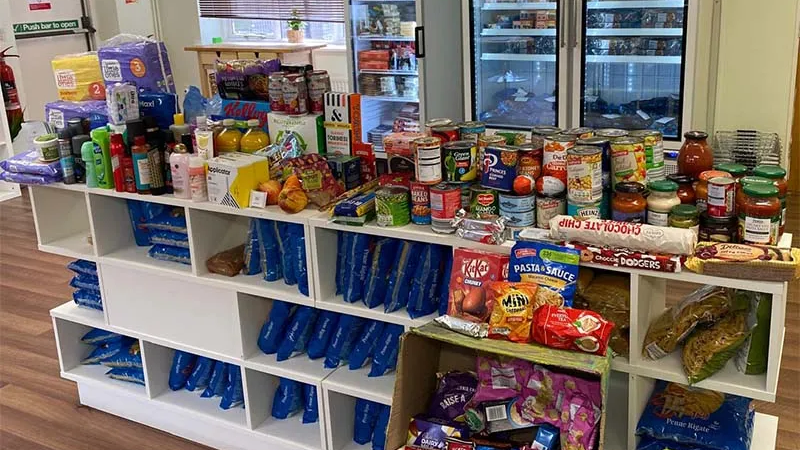
The UK Right to Food Commission will travel to Westminster this week to take evidence from Members of Parliament alongside a panel of leading anti-poverty campaigners, academics and experts as it continues its work to develop a legislative roadmap to end food insecurity across the UK.
The Westminster evidence session follows a series of hearings held across the country, including in Liverpool, Newcastle, Belfast, Cardiff and Glasgow, where the Commission heard powerful testimony from food campaigners, public health experts, community organisations, trade unions, doctors, academics, third sector organisations and food banks about the devastating impact of food insecurity on individuals, families and communities.
The Commission has consistently heard that hunger in one of the world’s wealthiest countries is neither inevitable nor acceptable. Its final recommendations will set out practical legislative and policy solutions to tackle food insecurity and could challenge the UK Government, devolved administrations and policymakers across all nations of the UK to recognise access to food as a fundamental human right.
With the UK set to welcome a new Prime Minister, the Commission says there is a unique opportunity for the incoming Government to chart a new course by introducing Right to Food legislation. Such legislation would represent a decisive break not only from the policies of the outgoing Prime Minister but from decades of austerity-driven political and economic orthodoxy that have left millions of people, and far too many children, facing hunger and food insecurity.
Commission Vice Chair Ian Byrne MP said: “Everywhere the Commission has travelled, we’ve heard the same message: food insecurity is not a food problem, it is an income problem. People are going hungry because wages are too low, work is too insecure, social security is inadequate and the cost of food, housing and energy has risen beyond what millions of families can afford.
“For years I have campaigned in Parliament for the Right to Food to be recognised in law because nobody in one of the richest countries in the world should have to rely on emergency food aid to feed themselves or their children. Unfortunately emergency food aid is needed in our communities, but this was never designed to become a permanent part of our social security system which it shamefully now is.
“It’s a clear example of the failed system which punishes those most vulnerable and we must never ever forget that ‘hunger Is a political choice’ and we need different political choices to be made.
“As we head to Westminster to hear from MPs alongside leading anti-poverty experts, academics and campaigners, we are bringing together the evidence needed to create a legislative roadmap that tackles the root causes of hunger, not simply its consequences.
“With a new Prime Minister about to take office this is a ‘one-off’ opportunity to break decisively with the failed austerity model that has left millions living in poverty and far too many children growing up food insecure. Enshrining the Right to Food in law would demonstrate that this Government under a new PM is prepared to build an economy and a welfare system that guarantees dignity, security and the basic right to eat.”
Leading Children’s Rights expert and former Aberlour Chief Executive, SallyAnn Kelly OBE said: “It is tragic that, in a country as wealthy as ours, a Commission like this is needed at all. I’ve witnessed first-hand the devastating impact that poverty and food insecurity can have on children and families, with many struggling simply to afford school meals.
“The evidence we’ve already gathered reinforces what many third sector organisations have been saying for years: people want the dignity of being able to choose, buy and prepare food that meets their family’s needs, culture and preferences.
“Children, disabled people, lone parents and many other communities face the greatest barriers to food security. That is why lasting change cannot rely on food-aid responses alone. It requires governments to ensure that incomes are adequate, support reaches people before they reach crisis, and public policy is judged by whether families can afford the essentials.
“A Right to Food framework could create the accountability that has been missing for too long, placing clear duties on governments to prevent hunger, measure progress transparently and involve people with lived experience in shaping the solutions.
“This week, when the Commission arrives in Westminster, our message to MPs is clear: you will be judged not by the promises you make, but by whether you deliver. This is a unique chance to end the scandal of food insecurity. The opportunity is here, take it.”
Barrie Margetts, Emeritus Professor, University of Southampton and chair of the Commission said: “The Commission has heard from people across the country that they just can’t make ends meet. The cost of food, rent and other bills is more than their incomes, and benefits just don’t cover their needs. Food insecurity is not about the availability of food – it is about people not being able to afford food. We heard that many people in work rely on food banks to feed their families.”
Sarah Woolley, General Secretary of the Bakers, Food and Allied Workers Union (BFAWU) and Vice Chair of the Commission, said: “It is unacceptable that many of the people who grow, make, transport and sell our food are themselves struggling to put food on the table. Food insecurity is a symptom of low pay, insecure work and an economy that too often fails working people.
“The Commission has heard that preventing hunger is always more effective than responding to it after families have fallen into crisis. Fair wages, decent employment, a social security system people can live on, free school meals and strong community support all have a vital role to play.
“The solutions won’t look identical in every community, but the principle should be the same everywhere: governments must accept responsibility for ensuring everyone has enough income to afford food, while giving local communities the resources and flexibility to deliver solutions that reflect local needs. That’s what a meaningful Right to Food should achieve.”
Image: Neater Heat Partners with Aldershot GrubHub. https://www.neaterheat.co.uk/neater-heat-supports-aldershot-grubhub-warming-hearts-homes-and-heaters/ Licence: Attribution-NonCommercial 4.0 International CC BY-NC 4.0 Deed

